Health Benefits of Olive Oil
Learn how this staple of the Mediterranean diet can help boost your heart health, beautify your skin and hair, and much more….
Read More


Learn how this staple of the Mediterranean diet can help boost your heart health, beautify your skin and hair, and much more….
Read More
Traditionally used in ancient Chinese medicine, this oil’s unique composition has been shown to be an effective, natural treatment for canker sores….
Read More
Studies show avocado oil may reduce your risk for heart disease, fight inflammation and even enhance wound healing.
Read More
High in plant proteins, vitamins, minerals and antioxidants, this powerhouse healthy oil can give your diet a nutritional punch.
Read More
Contains powerful anti-microbial ingredients that can help fight bacteria and viruses. We take a closer look at all its health benefits.
Read More
Also known as Melaleuca oil, studies show it can effectively fight acne, herpes virus, nail fungus, lice, scabies, athlete’s foot and even ringworm….
Read More
Did you know that flax seed oil contains healthy fatty acids that can soften and condition your skin, as well as boost your heart health? Find out more right here….
Read More
Originally used in ancient aboriginal medicine, this oil contains healthy fatty acids that can soften skin and improve wound healing.
Read More
This unique marine oil may be more effective than fish oils due to its unique ingredients. Here’s the latest research you need to know.
Read More
Another popular fish oil, this one is an excellent source of omega 3 fatty acids, vitamin A and D. It’s been shown to help reduce joint pain and lower inflammation.
Read More
Numerous studies show fish oils can improve heart health, lower inflammation and boost your mood. Get the facts right here….
Read More
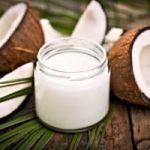
Here’s your complete guide to how coconut oils can help you lose weight, balance cholesterol levels, condition dry hair and much more.
Read More

Healthy-Oil-Planet.com contains information on the health benefits of natural plant and seed oils.
You’ll find hundreds of pages featuring in-depth research and articles for health-conscious consumers.
We want to be your preferred destination for factual and accurate information on the use of healthy oils and natural health products.
Please visit our Site Map to see our entire world.