Coconut Oil and Candida:
Is this a Natural Cure for Yeast Infections?


Can you use coconut oil on candida yeast infections?

If you do a search on the internet you may find testimonials from people who've successfully treated candida and yeast infections with coconut oil. Typical dosage used was 3 - 4 tablespoons of virgin coconut oil per day and results were seen within a month. Is this a natural way to treat candida infections?


What is Candida?

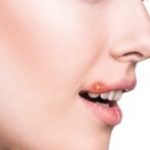
Candida (also known as candida albicans) is a fungus normally found on your skin and mucous membranes, such as your mouth, vagina and rectum.

Candida infections may occur when you take antibiotics for prolonged periods. The antibiotics destroy the beneficial bacteria in your body, allowing the candida to multiply and flourish. This is commonly called a yeast infection.

Yeast infections may present themselves in different parts of your body:

In Your Mouth

Called thrush and appears in your mouth as a creamy-white patches on the tongue. Inflammation may be found in the lining of your mouth, tongue and throat.

On your Skin

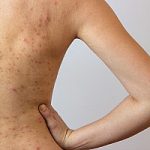
May make your skin red, inflamed and scaly. Can also cause diaper rash in infants.

Fingernails and Toenails

Appears as a fungal infection under your finger and toe nails.

Genital Region

Can cause vaginitis. May result in a creamy discharge and inflammation of the vaginal wall causing an itchiness and burning sensation.

Can cause balanitis - inflammation of the penis glands. May present more often in uncircumsised than circumsised men.

Other internal organs

Candida may enter your bloodstream and infect your internal organs. It may cause a variety of different symptoms, depending on the organ it infects.


Treatment of Candida Infections

Your doctor may prescribe antifungal drugs in the form of pills or creams. A more serious infection may require medications given by intravenous at your hospital. One of the most popular candida medications is Monistat. Other prescription drugs used include clotrimazole, amphotericin B and fluconazole.

Unfortunately you may experience side effects from these medications such as diarrhea, stomach cramps, nausea, vomiting, headaches, insomnia, rashes, blisters, bloody stools and skin peeling.


Can You Use Coconut Oil on Candida Infections?

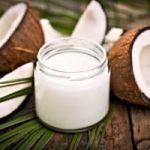
Amazingly, researchers discovered coconut oil contains substances that kill the candida yeast. Biology scientists at the University of Iceland found coconut oil contains capric and lauric acid. Studies showed these 2 fatty acids were effective at killing 3 different strains of candida organisms. You can learn more about these fatty acids on my webpage Discovering the Antiviral Properties of Lauric Acid and Coconut Oil.

Another study from the Department of Medical Microbiology and Parasitology in Nigeria found coconut oil to have 100% effectiveness against the candida albicans strain, when compared to the prescription antifungal fluconazole.

Dr. William Crook, author of the best-selling book, The Yeast Connection: A Medical Breakthrough reports that many doctors have used caprylic acid (another fatty acid found in coconut oil) to successfully treat yeast infections. Reports suggest it works well in patients who've not responded to traditional anti-fungal medications or experienced negative side effects from prescription drugs.


What Will You Experience when Taking Coconut Oil for Candida?

Most people experienced a gradually improvement in their symptoms. Increased energy, improvement in skin health and decrease in candida-related symptoms were the most common experiences. Some patients' symptoms got worse before getting better. Natural health experts call this a Herxheimer reaction - your body's reaction to the rapid killing off of organisms and absorption of yeast toxins.

Typical dosage was 3 - 4 tablespoons of virgin coconut oil per day. Many people suggest working your way up to these dosages. Due to the wide variety of symptoms and how this condition presents itself, your individual results may vary and you may or may not experience any results at all when using coconut oil on candida infections.

Other suggestions include increasing your intake of probiotic bacteria, either through organic yogurt or supplements, and decreasing your intake of sugar and processed foods. There are a number of recommended actions you can take to help your body naturally balance itself to remove a candida overgrowth.


In the ground-breaking book The Yeast Connection: A Medical Breakthrough Dr. William G. Crook provides the tools you need to effectively treat candida yeast infections. He explains the symptoms of yeast overgrowth in your body, what causes it and how you can cure it. He presents a variety of different case studies so you can see how one patient's symptoms may differ from another's. He reports that doctors have successfully used caprylic acid, found in coconut oil, for candida infections. You will learn how to implement his suggestions for immediate results.

If you've taken birth control pills, are taking or have taken a lot of antibiotics or eat a lot of processed foods, you may be setting the stage for yeast to take over your body. If you suffer from intense sugar cravings, are depressed, get sick a lot, and feel tired all the time you need to read the information in this book.

By following the time-tested recommendations in this manual, you'll learn how to take back control of your health and enjoy the health benefits thousands of people have experienced with Dr. Crook's information.

Although there are no documented medical studies on patients using coconut oil on candida infections, there is a large population of people who've successfully cured themselves using this natural healthy oil.

Using only the best virgin coconut oils will provide the optimal levels of lauric, capric and caprylic acids your body needs to effectively fight candida yeast infections. I hope this information on coconut oil and candida will help in your treatment plans. Please remember to consult your physician or health care provider before using coconut oil in your treatment of candida or yeast infections.


Research References:

In vitro killing of Candida albicans by fatty acids and monoglycerides. Bergsson G, Arnfinnsson J, Steingrímsson O , Thormar H. Institute of Biology, University of Iceland, Reykjavik, Iceland. Antimicrobial Agents and Chemotherapy. 2001 Nov;45(11):3209-12

In vitro antimicrobial properties of coconut oil on Candida species in Ibadan, Nigeria.Ogbolu DO, Oni AA, Daini OA, Oloko AP. Department of Medical Microbiology & Parasitology, University College Hospital, Ibadan, Nigeria. Journal of Medicinal Food. 2007 Jun;10(2):384-7

Antimicrobial activity of monocaprin: a monoglyceride with potential use as a denture disinfectant.Thorgeirsdóttir TO, Kristmundsdóttir T, Thormar H, Axelsdóttir I, Holbrook WP. Faculty of Pharmacy, University of Iceland, Reykjavík, Iceland. Acta Odontologica Scandinavica. 2006 Feb;64(1):21-6.


Click Here for More Information on this Powerful Coconut Oil:

Mercola.com's Pure Virgin Coconut Oil

Return from Coconut Oil and Candida back to Virgin Coconut Oil Home Page


Fish Oils | Tea Tree Oil | Flaxseed Oil | Oil of Oregano | Krill Oil | Emu Oil | Coconut Oil | Cod Liver Oil | Pumpkin Seed Oil

Site Map | Site Policies | About Me | Contact Me

Copyright © 2006-2010. All Rights Reserved.
Protected by Copyscape DMCA Infringement Checker

No reproduction permitted without permission. Healthy-Oil-Planet.com does not provide medical advice.
Do not attempt self-diagnosis or self-medication based on our information.
Please consult your health-care provider if you wish to follow up on the information presented.