Does Using Coconut Oil for Acne Work?

Coconut oil may reduce acne
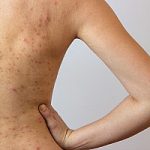
When it comes to treating facial acne, you have a number of options.
The most common is proper cleansing routines, moisturizing, avoiding too much make-up and using an over-the-counter acne medication.
Some of these treatments may not work and you may seek alternative solutions to your acne problem.
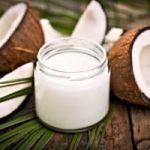
One of the most popular natural health treatments is using coconut oil to reduce acne.
Not only can coconut oil moisturize and soften dry irritated skin, it has been shown to contain a fatty acid that can kill the bacteria that causes acne.
Four Ways How Coconut Oil May Effectively Treat Acne
1. It has Antibacterial Properties Stronger than Benzoyl Peroxide
Coconuts are a natural source of lauric acid, a medium chain fatty acid also found in human breast milk. When lauric acid is digested it’s converted into an antimicrobial called Monolaurin. A study shows monolaurin has broad spectrum antibiotic activity against Gram-positive and Gram-negative bacteria.
A study published in the Oct 2009 edition of Journal of Investigative Dermatology compared the antibacterial effects of lauric acid against benzoyl peroxide, a popular over-the-counter medication for acne. Researchers discovered that lauric acid was 15 times more powerful than benzoyl peroxide for fighting the acne-causing bacteria Propionibacterium acne (P. acnes), Staphyococcus aureus (Staph. A) and Stapylococcus epidermis (S. epidermis).
2. Coconut Oil can Moisturize Dry Skin
Studies have shown that coconut oil may help moisturize dry skin by restoring moisture levels to dry skin cells which may help improve your skin tone. This may be beneficial as having really dry skin may cause your skin to over-produce sebum which could cause even more acne breakouts. Using the natural moisturizing properties of coconut oil may help reduce acne by balancing the natural moisture level on a cellular level.
3. Coconut Oil reduces Inflammation and Redness
Another benefit of having lauric acid in coconut oil is that it isn’t cytotoxic to specific skin cells; and animal studies have shown that it actually may help reduce inflammation and swelling. So by using coconut oil for acne it may help reduce the redness and swelling associated with severe acne breakouts.
4. Coconut Oil may Soften Your Skin
By regularly using coconut oil for acne, you may help soften dry, rough skin and help make it appear smoother and healthier-looking. The good thing about virgin coconut oil on your skin is that it doesn’t contain any synthetic fragrances, parabens, mineral oils or sulphates. In fact, there are actual testimonials from people using coconut oil for skin conditions that claimed it helped soften and moisturized their skin.
Personal Reviews of Using Coconut Oil for Acne:

There is currently no documented medical studies on using coconut oil to treat acne.
However, many natural health sites, such as Acne.org, feature testimonials from people that used coconut oil on acne.
People using coconut oil for acne claimed some of the following effects:
Coconut oil appeared to have excellent moisturizing and skin softening effects.
It helped soften acne scars and cystic acne.
Using too much coconut oil may make the skin more greasy.
Some people experienced a temporary increase in whiteheads after the first few applications; some people believed this is part of the ‘cleansing process’ that coconut oils may do to the skin.
A small sample of people found coconut oil made their acne worse and stopped using it.
Treating acne can be effectively treated with the appropriate treatment.
Eating a healthy diet and drinking plenty of fresh water, reducing stress, exercising and getting enough sleep can play a part in improving your overall skin health.
Please consult with your dermatologist or health care provider before using any nutritional supplement or natural health product.
Research References:
The antimicrobial activity of liposomal lauric acids against Propionibacterium acnes. Biomaterials. 2009 Oct;30(30):6035-40.
Antimicrobial property of lauric acid against Propionibacterium acnes: its therapeutic potential for inflammatory acne vulgaris. Journal of Investigative Dermatology. 2009 Oct;129(10):2480-8
 at Amazon.com”
Home > Coconut Oil Home Page > Using Coconut Oil for Acne